Start with the size and layout of the property
Most people guess that a bigger house means a bigger bill, and that's usually true, but square footage is only part of it. What matters more is how much surface the pest control specialists have to cover. A ranch house with a single story and a short exterior wall line is a different job than a split-level with a finished basement, a detached garage, and a long fence line.
Lot size matters too. A yard with wood piles, stone walls, landscape timbers, and dense shrubs gives spiders plenty of places to hide and rebuild. Every one of those spots is part of the work. Our crew walks the perimeter first so we know exactly what we're dealing with before anyone unrolls a hose.
Multi-level homes add time because access is harder. Attics, crawlspaces, and rooms over garages all need their own attention. If you have a home with several structures on the same parcel, expect more time on site.
The kind of spider and how much of it you have
Not all spiders behave the same way. Common house spiders, cellar spiders, and wolf spiders each prefer different conditions, and they move differently through a building. Some species hunt on the ground, some build webs in corners, and some hide in tight voids where nobody looks. The species mix changes the approach, and the approach changes the time involved.
Venomous species like black widows and brown recluses call for careful, methodical work, especially if they're close to sleeping areas or play spaces. That kind of job takes more inspection and more attention to hiding spots, so it usually costs more than a routine visit for common household spiders.
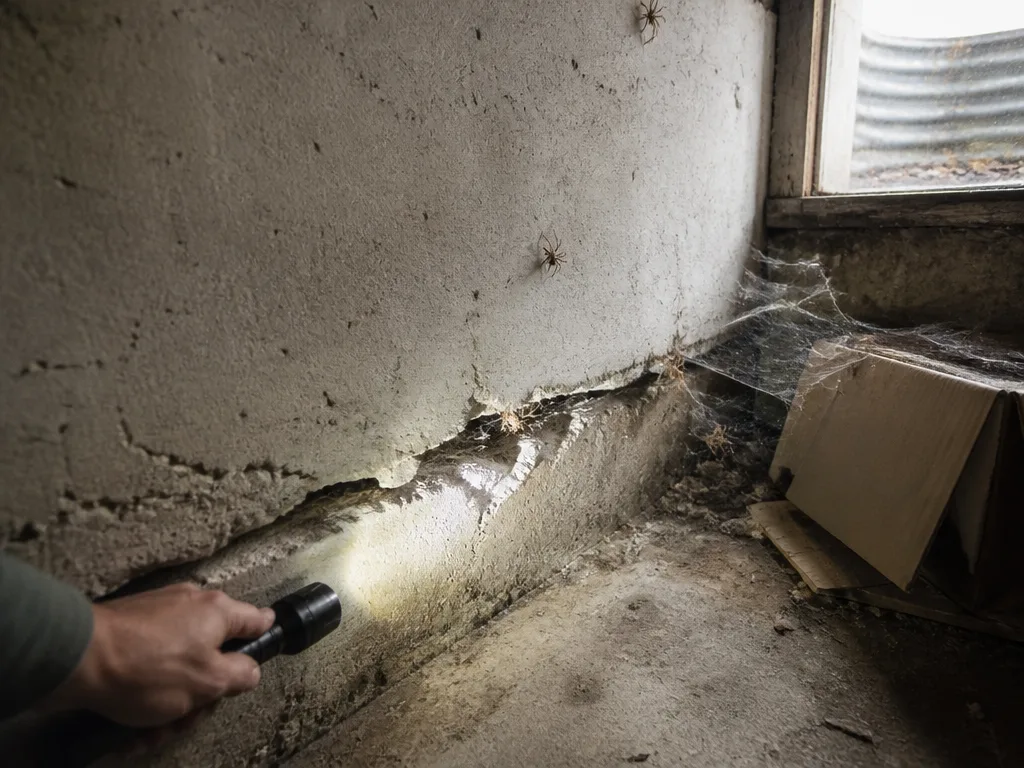
The amount of activity matters just as much as the species. A few webs in a garage corner is a quick job. Dozens of webs across multiple rooms, egg sacs in wall voids, and spiders showing up in bathtubs every morning means more ground to cover and a longer plan.
Access, clutter, and the stuff people store
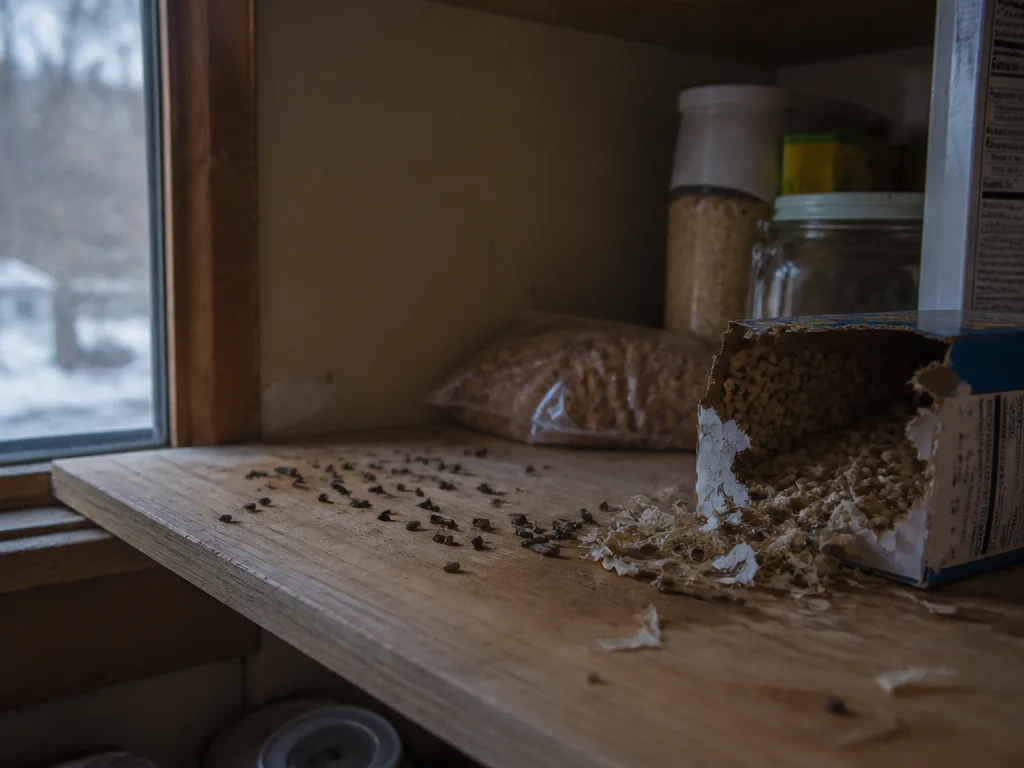
Access is one of the biggest variables we see. A garage with shelves cleared to the walls is a much easier job than one packed floor to ceiling with holiday decorations and old boxes. Crawlspaces with standing water, tight gaps, or no lighting slow everything down. Attics with blown insulation can hide spiders deep in the material, and that takes extra time to work through safely.
Here's a short list of things that tend to affect time on site:
- Heavy storage along walls, in closets, and under beds
- Crawlspaces that are tight, damp, or hard to light
- Attic insulation that covers joists and gaps
- Firewood, lumber, or compost stacked against the foundation
- Rooms that are hard to enter because of furniture or boxes
You don't need to empty your whole house before we arrive. A little clearing goes a long way, though. Moving boxes six inches off the floor and pulling items away from the baseboards gives our crew room to work and cuts down on wasted time.
The exterior perimeter and what grows around it
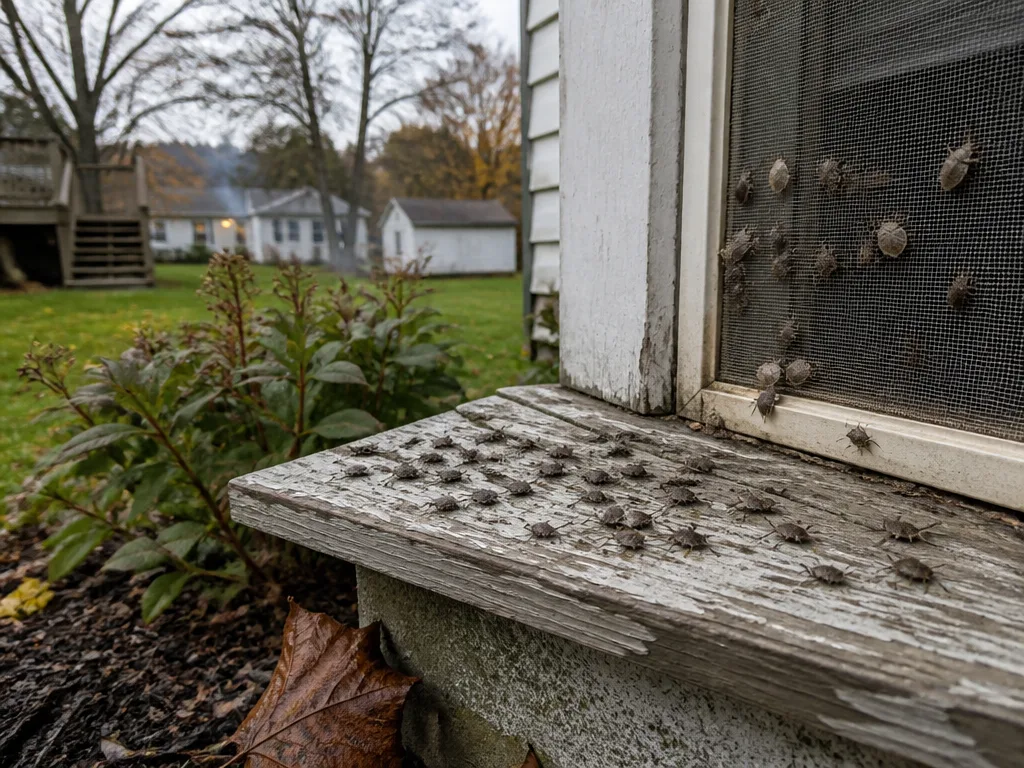
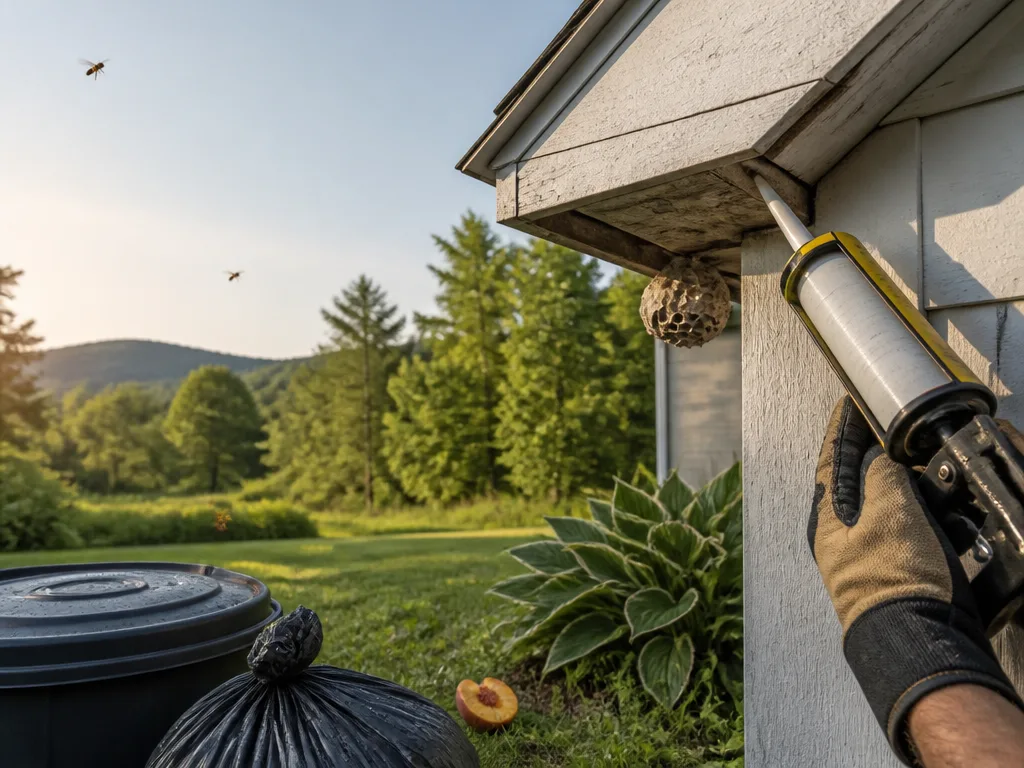
Spiders come inside from outside, so the exterior often decides how much work happens indoors. A home with tight seals around windows, doors, and utility penetrations gives spiders fewer routes in. A home with gaps around the frame, damaged screens, or worn weatherstripping gives them plenty.
Vegetation makes a difference. Ivy on the siding, shrubs touching the house, and tall grass near the foundation all create cover and food sources for the insects spiders eat. Trimming back growth and moving mulch away from the foundation helps. We'll tell you what we see, and you can decide what you want to change.
Outdoor lighting plays a role as well. Bright lights near doors pull in moths and other insects, and that draws spiders to the same spot. Switching to warmer bulbs or moving fixtures farther from entry points can reduce what gathers near the house over time.
How many visits the job needs
A single visit handles many situations, but some properties need a longer plan. Spider control is often about breaking a cycle. Adult spiders may die off quickly, but eggs, younger spiders, and new arrivals from neighboring areas keep the problem going. If activity is heavy, or the home has many entry points, the work may be spread across more than one visit.
Ask the pest control specialists what they're planning and why. Good questions include which areas they expect to focus on, what they'll check at the next visit, and what you can do between visits to keep the results. A clear answer tells you the job is being planned, not just priced.
Seasons and regional conditions
Timing changes the work. Spiders tend to become more visible in late summer and early fall, when they move indoors to escape weather and find mates. Cool, wet spells can push more activity inside. Hot, dry periods can push spiders into shaded, damp areas like basements and crawlspaces.
Local conditions also shape the job. Humidity, soil type, nearby wooded areas, and building style all change what spiders are likely to do. Our crews know the patterns that show up in your area, and they plan with those patterns in mind. A home near a creek or a wooded lot may need a different approach than a home surrounded by pavement, even when the house looks similar from the street.
What you can do to keep the job manageable
A few habits make a real difference before we ever arrive. Keep firewood off the house and at least a foot or two away from the foundation. Store cardboard in plastic bins instead of open boxes. Run a vacuum along corners, baseboards, and ceilings, then empty the canister outside. Fix torn screens and seal obvious gaps around pipes and wires where you can reach them safely.
These steps won't replace a professional visit, but they keep the work focused on the spiders that matter. When you call Pest Control Experts, tell us what you're seeing, where you're seeing it, and how long it's been going on. That information shapes the plan more than anything else.
Spider control is never a one-size-fits-all job. Property size, species, access, exterior conditions, and season all play a part. Call Pest Control Experts at your convenience, describe your home, and our team will walk you through what's driving the work on your property, from coast to coast.