Fall is when pests start looking for a place to wait out the cold. Mice, spiders, ants, and overwintering insects all do the same math: find shelter, find food, and stay put until spring. The good news is that most of the work happens before the first hard frost, and most of it is simple. This checklist works whether your winters are mild or brutal, and whether your summers ran hot and humid or dry and dusty.
Start with your local season, not the calendar
The date on the calendar matters less than what your yard and house are doing right now. In some parts of the country, nights drop below freezing in October. In others, the air stays warm into December and insects keep moving well past the equinox. Pay attention to the first night your thermostat kicks on the heat, or the first morning you see frost on the lawn. That is your signal to start.
Warm autumns are tricky. Insects that would normally slow down keep feeding, breeding, and wandering indoors. Cold snaps are easier to read because they push pests inside all at once. Either way, a homeowner who starts the checklist a week or two before the weather changes will get ahead of the rush.
Pest Control Experts works with homes in every region we serve, and the timing shifts a lot from one place to the next. Our crews adjust their fall visits based on what they see on the ground, so if your neighborhood is running late or early, that is worth mentioning when you call.
Seal the entry points before the cold arrives
Most pests do not break in. They walk through gaps that were already there. A pencil-width crack around a pipe or wire is plenty for a mouse. Ants can squeeze through a gap at a window frame that you would never notice from across the room.
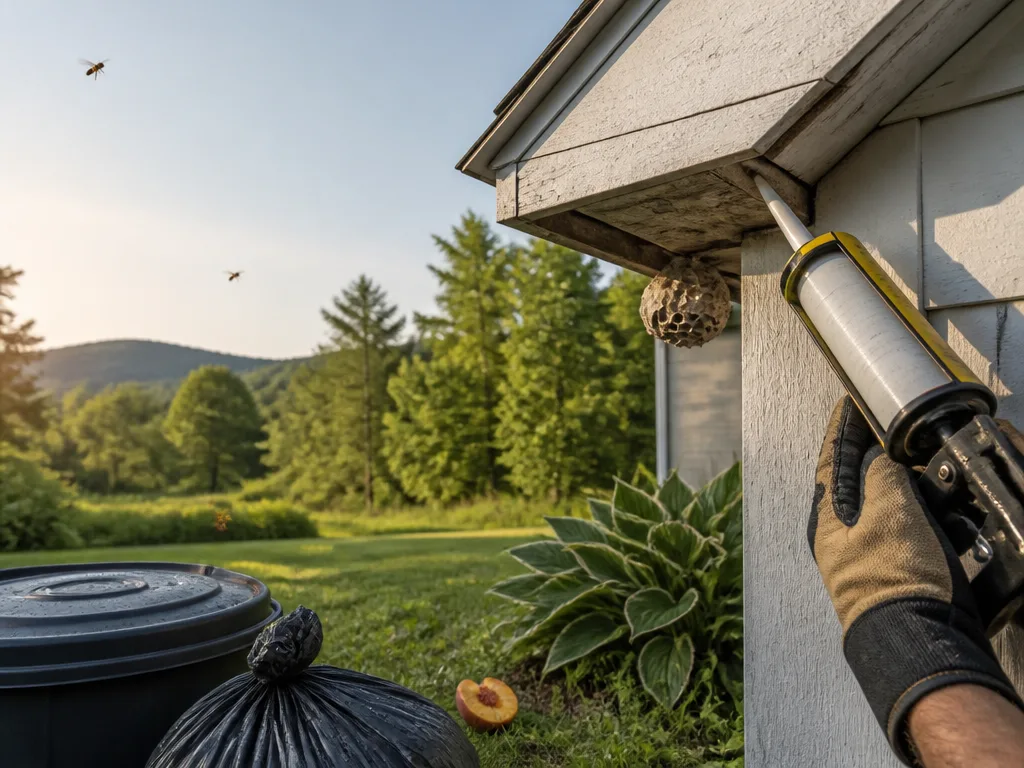
Go around the outside of your home slowly, with a flashlight, and look at the places where different materials meet. Foundation seams, siding corners, utility penetrations, and the spot where the deck meets the house are the usual trouble spots. Check weatherstripping around exterior doors and replace anything that is flattened, cracked, or pulling away.
- Fill gaps around exterior cable and utility lines with exterior-grade sealant or steel wool packed under a bead of caulk.
- Install or replace door sweeps so there is no visible light under the door when it is closed.
- Check vent screens on crawl spaces, attics, and eaves. Mice chew through torn mesh faster than most people expect.
- Look at window screens for holes and pull the frame edges tight where they have loosened.
Do not forget the garage. The gap under a garage door is one of the most common ways rodents get inside, and it is easy to miss because the door looks closed. A rubber seal on the bottom edge costs very little compared to the damage a mouse family can do over a winter.
Clear the outdoor zones pests use to get closer
Pests like to stage outside before they move in. Leaf piles against the foundation, dense shrubs touching the siding, and stacks of wood resting on the ground all give them cover and an easy path to the walls. Fall cleanup is the perfect time to fix that.
Rake leaves away from the house, at least eighteen inches out from the foundation, and clear gutters so water does not pool near the base. Trim branches so they stay several feet from the roofline and the exterior walls. Squirrels, rodents, and some insects use those branches as a bridge. If a tree limb hangs over the roof, prune it back before the first big windstorm of the season.
Mulch matters too. A thick, wet layer of wood chips right against the foundation holds moisture and gives insects a cozy place to hide. Pull mulch back a few inches from the siding and keep a clean strip of bare soil or gravel along the base of the house.
Check irrigation and downspouts as well. Standing water attracts mosquitoes and some ant species, and damp soil under the house makes crawl spaces more attractive to pests that want humidity.
Look inside storage, attics, and crawl spaces
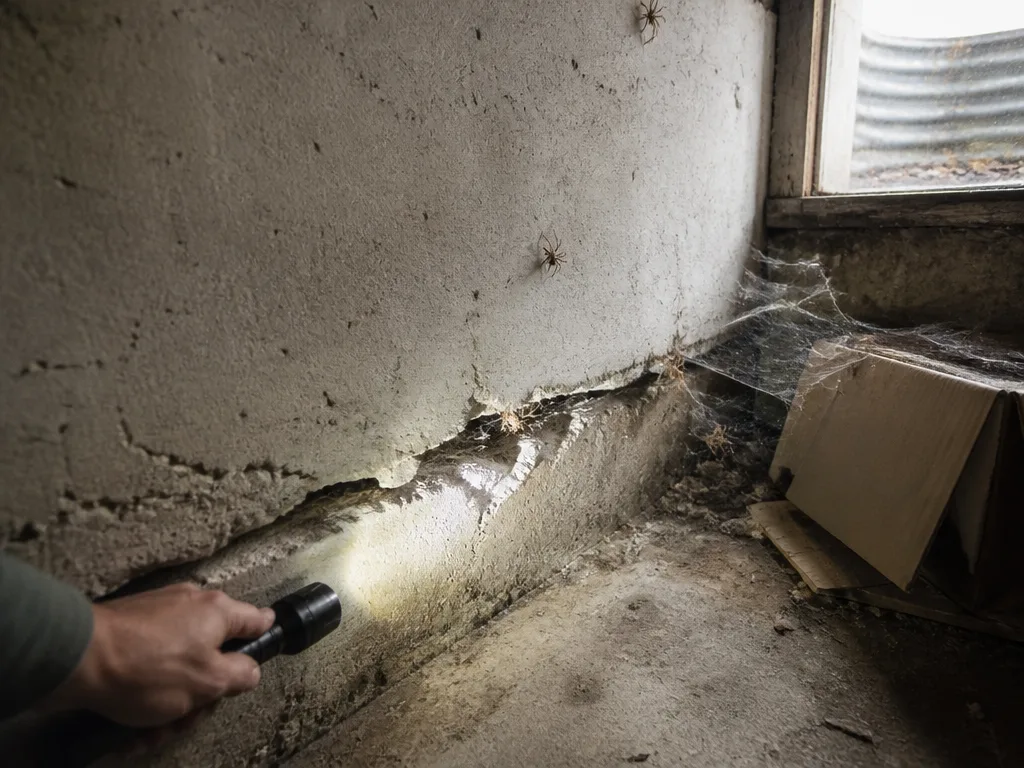
Once the weather turns, pests head for the places people rarely visit. Attics, basements, crawl spaces, and the back corners of closets are where a quiet population can build over a few months. A quick walk-through now can catch problems before they spread.
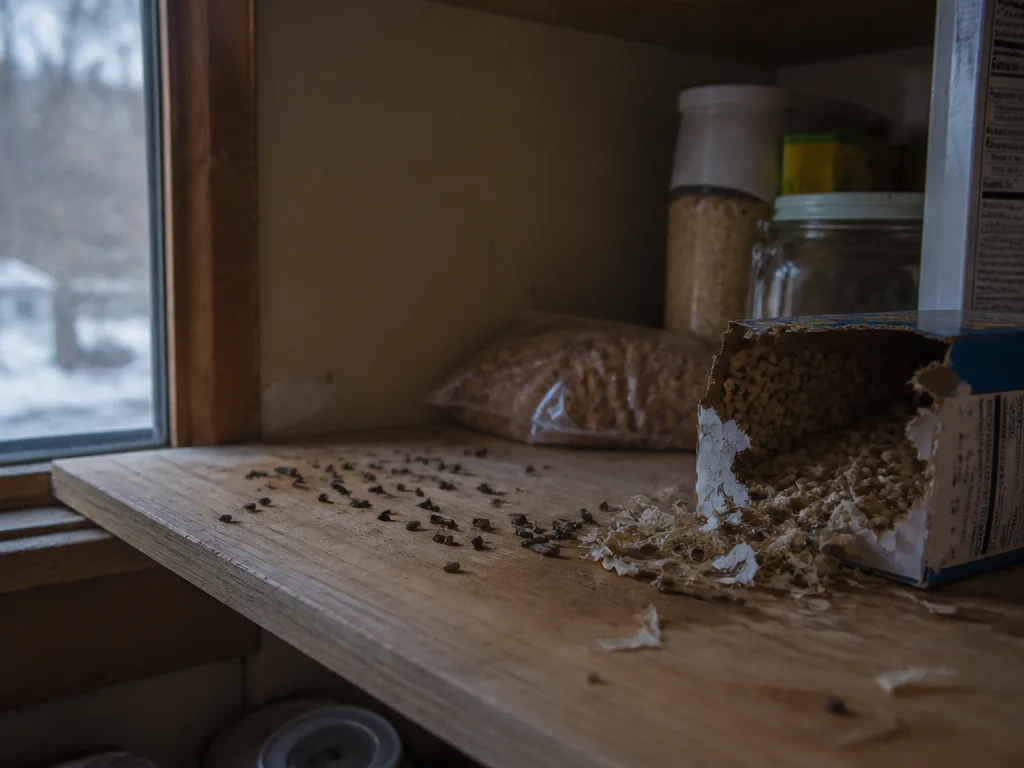
Start with the things you store. Cardboard boxes, old newspapers, paper bags, and clothing in plastic totes can all end up as nesting material or food. Move stored goods onto shelves, and use sealed plastic bins instead of cardboard. Keep bags of birdseed, pet food, and pantry staples in airtight containers. Wipe down shelves and look for droppings or chewed packaging while you are there.
Firewood needs its own rule. Bring it in only as much as you plan to burn in a week or two, and store the rest away from the house, raised off the ground. Firewood can carry wood-boring insects and spiders, and a big stack pressed against siding is an open invitation to everything nearby.
In crawl spaces, look for standing water, damp insulation, and sagging vapor barriers. Those conditions bring in roaches, silverfish, and earwigs. A dehumidifier or better ventilation, paired with a dry vapor barrier, makes the space far less appealing to pests that want moisture.
Know the signs that you need a professional
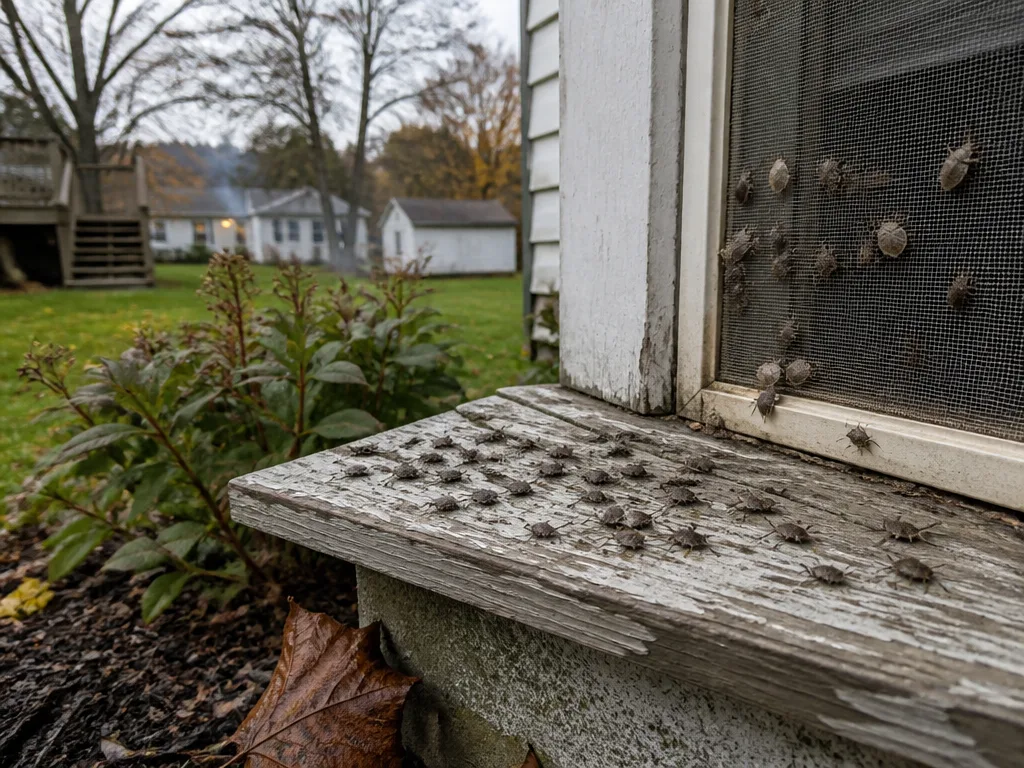
Some fall problems are easy to handle on your own. A single spider in the garage or a few ants on the kitchen counter usually means you need to clean up and seal a gap. Other signs point to something bigger. Droppings along the wall, grease marks where rodents travel, a musky smell in the attic, or wings piling up on windowsills all suggest a population that has already settled in.
Scratching sounds in the walls at night are another clue. So are chewed holes in cardboard, wires, or soft wood. If you see any of these, stop guessing and make a call. A pest control specialist can look at the layout of your home, identify the species, and tell you where the activity is coming from. That kind of inspection is what helps you target the right fix instead of spreading products around that do nothing.
When you call, have a few details ready. Note the room where you saw activity, when it started, and what you noticed. Photos of droppings or damage help too. Our team can usually narrow things down quickly from that information, and they will explain what they plan to do before they do it.
Fall is the right time to act. Pests that you deal with now are far easier to manage than the ones that spent the winter multiplying in your walls. Work through this checklist in a weekend, and if anything looks more serious than a few stray insects, give Pest Control Experts a call. We help homeowners across the United States get ready for the cold months, one season at a time.