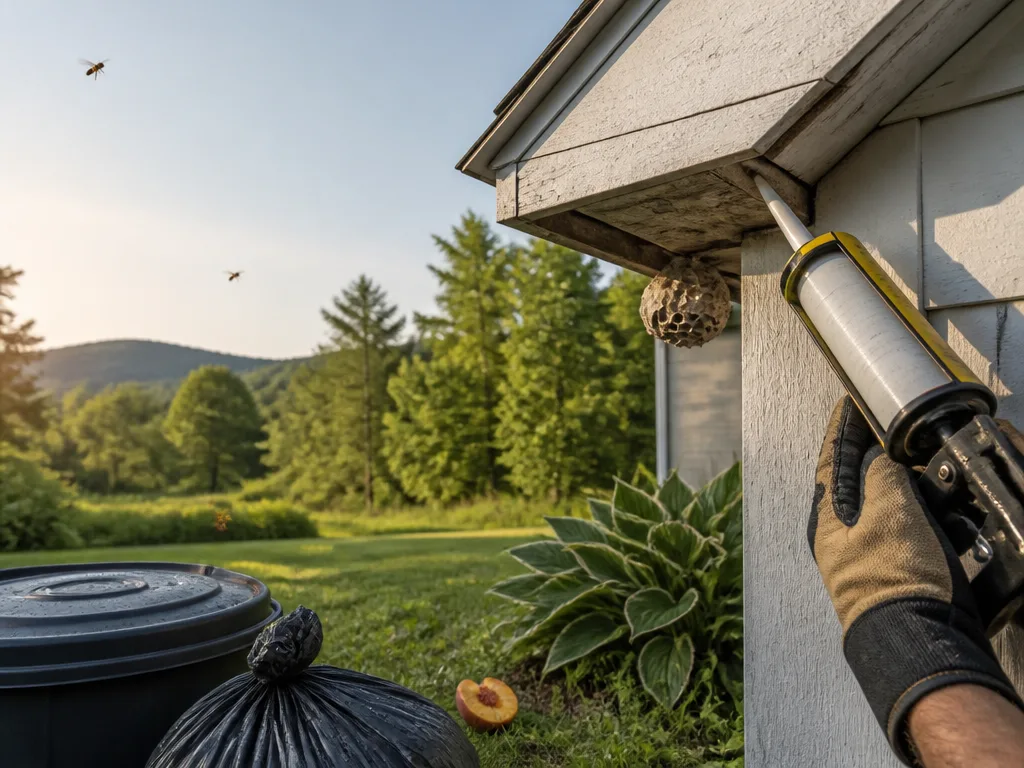
You got the nest down. Maybe it was the size of a grapefruit tucked under a soffit, or maybe it was a gray paper nest the size of a dinner plate hanging off the eave outside the bedroom window. Either way, the hard part feels over. But anyone who has dealt with hornets knows the nest is rarely the whole story. Queens scout for new sites, workers keep returning to where they found food, and a spot that worked once will often work again.
At Pest Control Experts, our crews see the same pattern across the country, from older homes with loose trim to newer builds with gaps around the utility lines. The good news is that the steps that keep hornets from coming back are simple, and most of them you can do this weekend without special gear.
Find out how they got in the first place
Before you do anything else, figure out what drew the colony to that particular spot. Hornets rarely build in open air without a reason. They want shelter, a dry void, and a short commute to food. A gap at the top of a fascia board, a loose vent cover, or a hollow space behind a shutter gives them everything they need.
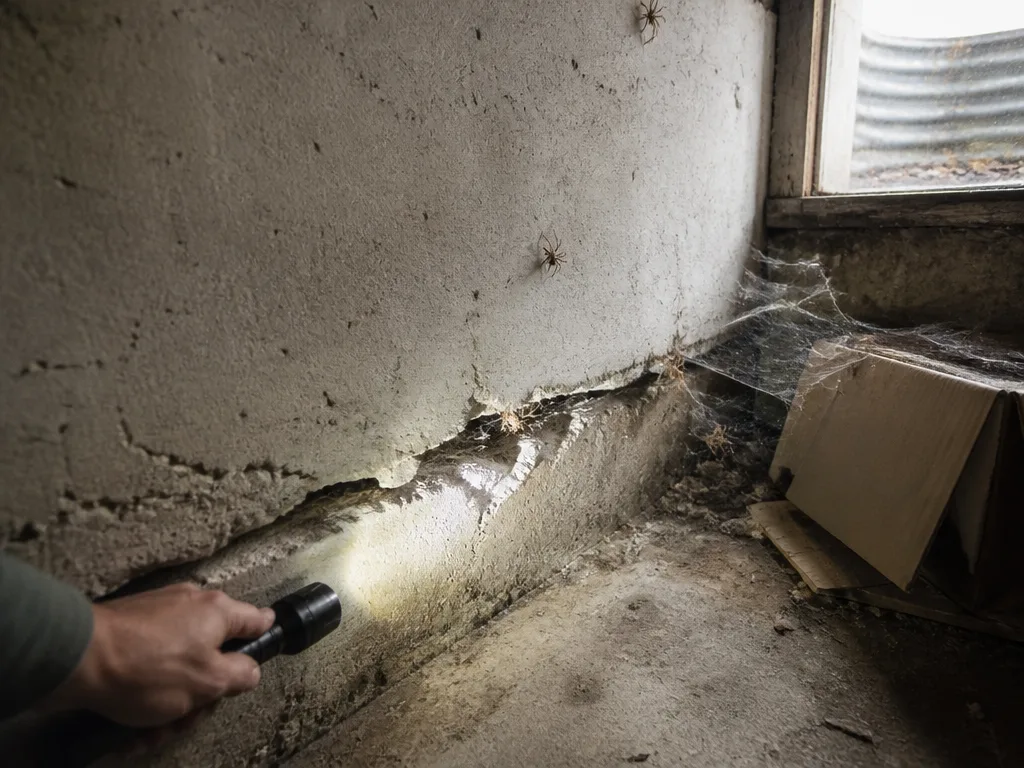
Walk the outside of the house slowly, ideally in the morning when activity is lower. Look for small openings the size of a pencil or a little bigger. Check the places where siding meets the foundation, around window frames, under decking, and inside open soffits. Hornets can squeeze through surprisingly small gaps, so a crack you would never notice from six feet away can be the entrance.
Once you find the openings, mark them with painter's tape or a piece of chalk. You will want to come back to them after sealing to confirm nothing is still getting in.
Seal entry points the right way
Sealing is where most homeowners either do too little or do too much. Caulk works well on small gaps around trim and window frames. Use a exterior-grade silicone or a paintable acrylic latex product that matches your siding. Push it deep into the gap rather than just smearing a bead on the surface.
Larger openings need more than caulk. Steel wool packed into a gap and then covered with caulk or patching compound works well for voids that wasps and hornets like to chew into soft wood. Hardware cloth with a fine mesh can cover soffit vents without restricting airflow the way solid panels would. Just keep the mesh no coarser than about one-eighth inch, because larger openings still let small insects through.
Check the rest of the house too. Dryer vent flaps that no longer close, chipped weep holes on brick, and gaps around cable boxes are common entry routes. Replace anything that does not seal shut properly. A cheap plastic flap that hangs open is worse than no cover at all because it looks protected and is not.
Reduce the things that keep them around
Hornets feed on protein to raise their young, and they also drink sugar. A yard that offers both gives them a reason to stay close to home. This matters most from late summer into fall, when colonies are at their largest and workers are hunting harder for food.
Here are the changes that make the biggest difference:
- Keep trash cans tightly closed and rinse out recycling containers before they go in the bin.
- Pick up fallen fruit from trees and remove overripe produce from garden beds quickly.
- Cover sugary drinks outdoors, and clean up spilled soda, juice, or sweet sauces right away.
- Move pet food bowls indoors at dusk, and hose down grills after each use.
None of these steps is glamorous, but together they change how attractive your property looks to a foraging hornet. If you have fruit trees, consider picking up drops every day or two during peak season instead of letting them rot on the ground.
Watch the yard for new scouts
Even with the nest gone and the openings sealed, you may still see a few hornets buzzing around for a week or two. Some of these are workers that were away from the nest when it came down. Others may be scouts checking whether the area is still worth using. A few stragglers do not automatically mean a new colony, but they do mean you should keep watching.
Spend five or ten minutes each week walking the same route around the house. Pay attention to the eaves, the underside of decks, playground equipment, and the shady corners of sheds and garages. Look for hornets flying in and out of one spot repeatedly, since that usually points to a hidden entrance. If you spot a new paper nest forming, note its location and act on it quickly, because small nests are far easier to deal with than large ones.
Also keep an eye on the weather. Heavy rain can soften old paper nest remnants and push water into voids that were fine before. A quick check after a big storm often catches problems early.
When to call a professional
Some situations are better handled by a team with the right equipment and experience. If the nest was inside a wall, in a ceiling void, or deep in ground soil, removing the nest is only part of the work. Those spaces often need to be opened and sealed properly so nothing is left behind to attract the next colony. If you find more than one nest on the property, or if hornets keep returning even after you have sealed what you can find, it is time to bring in help.
At Pest Control Experts, we work with homeowners across the United States, and our local crews wherever you are can look at the specific gaps and habits that brought hornets to your home. Our pest control specialists will walk the property with you, explain what they see, and talk through the options. The best next step is to call us directly and describe what you have been seeing, including where the activity happens and when it started. That detail helps us plan the visit and understand your situation before we arrive.
Keeping hornets away is mostly about consistency. Seal what you find, keep food sources tight, and check the yard regularly for a few weeks after the nest is gone. Do that, and the odds of a repeat visit drop considerably.